Snoring & Sleep Apnea

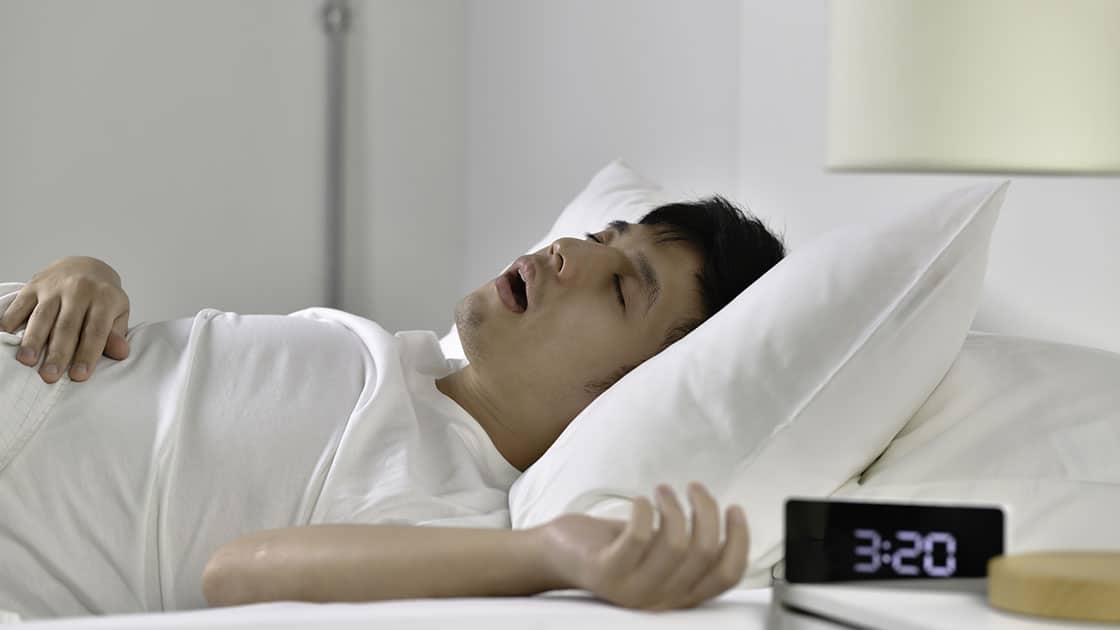
Snoring Patient Sleeping

Obstructive sleep apnea is a condition that disrupts sleep by causing pauses in breathing or shallow breaths, leading to poor sleep quality. Treatment options include lifestyle changes, custom oral appliances, CPAP devices, or surgery to improve airflow. Snoring, often linked to airway obstruction, can also be addressed with a snore guard, which keeps the airway open during sleep.

Call our Stonington Dental Associates Office at

or call our Frenchtown Dental Associates at to schedule an appointment today!

Obstructive Sleep Apnea

Obstructive sleep apnea is an ongoing condition that disrupts sleep.

When breathing is paused or becomes shallow, one will often move out of deep sleep and into light sleep, making the quality of sleep poor. Sleep apnea can be treated with lifestyle changes, mouthpieces, breathing devices, and/or surgery.

Oral Appliance Therapy (OAT) is often an effective alternative to CPAP for patients suffering from obstructive sleep apnea.

Many patients suffering from sleep apnea can find relief using a custom removable Oral Appliance Therapy appliance, which adjusts the position of the lower jaw and tongue to minimize airway obstruction.

For moderate to severe sleep apnea, a breathing device called CPAP (continuous positive airway pressure) or surgery to widen the breathing passages by shrinking, stiffening, or removing excess tissue in the mouth and throat or resetting the lower jaw may be helpful. A CPAP machine uses a mask that fits over your mouth and/or nose and gently blows air into your throat. This air pressure helps keep your airway open while you sleep. Surgery to shrink the tissue involves a small shot into the breathing passages. Surgery to stiffen excess tissue requires a small incision in the tissue and inserting a piece of stiff plastic.

Snoring Therapy

Snoring is a common problem and can affect men and women of all ages.

Snoring is caused by a narrowing or blocking of the airway. The disruption of airflow causes the soft palate and tissues of the throat to vibrate. The narrower the airway becomes, the louder the snoring.

Snoring can often be treated by wearing a snore guard that maintains an open, unobstructed airway in the throat while you sleep.

Some common causes of snoring include:

  • Inflammation of the tissues in the mouth nose or throat (including tonsils)
  • Blocked nasal passages (often caused by a cold or allergies)
  • Lack of muscle tone (due to aging or poor fitness levels)
  • Obesity causing the airway to narrow due to fat
  • Medicines that cause relaxation

Frequently Asked Questions About Sleep and Breathing Solutions

How does airway-focused dental care help address chronic snoring and nighttime breathing interruptions?

A healthy circadian rhythm relies heavily on uninterrupted breathing. When an obstructed airway disrupts your sleep wake cycle, it prevents you from progressing smoothly through necessary stages of sleep—including deep restorative rest and REM sleep where vital dreaming occurs. Our practice offers custom oral appliance therapy as a personalized treatment plan to maintain an open airway during nighttime sleep. By preventing soft tissue blockage, oral appliances help stabilize your body temperature and normal brain waves overnight. This allows people sleep without constant micro-arousals, protecting your overall health from the strain caused by poor quality sleep and severe sleep deprivation.

What are the long-term health risks of untreated sleep apnea?

When chronic sleep problems or conditions called sleep disorders go unmanaged, the repeated oxygen drops severely affect your cardiovascular system, contributing to high blood pressure and long-term cardiovascular disease. Persistent upper airway collapse leads to ongoing sleep debt and cumulative missed sleep, which can worsen neurological disorders, increase systemic inflammation, and negatively impact mental health. Chronic exhaustion also impairs your body's ability to maintain a healthy weight or regulate key metabolic systems. Working closely with your primary healthcare provider or a local sleep center, our dental team helps restore consistent airflow so you get the essential hours of sleep you need each night.

Why do I still wake up feeling exhausted even after a full night in bed?

If you consistently feel tired or experience severe sleep inertia upon waking—that lingering grogginess that makes you feel sleepy throughout daytime sleep hours—it often indicates an interrupted sleep cycle. Disruptions in both non rem sleep and rapid eye movement phases prevent your brain from completing a typical night of recovery, regardless of the total amount of sleep you log. Over time, these disruptions harm your fundamental sleep health, leading to chronic fatigue. Exploring oral appliance options through professional sleep medicine care helps smooth out your nighttime breathing, giving you the better sleep needed to wake up truly refreshed.

How can lifestyle changes and proper bedtime habits improve my airway and sleep quality?

Adopting healthy sleep habits and consistent sleep hygiene provides a crucial foundation for optimal breathing. Establishing a calming bedtime routine where you go to bed at the same time each evening helps set your natural sleep wake patterns. To prepare your body for rest, turn off bright lights and electronic devices early, as exposure to light suppresses the hormone melatonin that naturally promotes sleep. Maintaining regular physical activity, staying hydrated, and avoiding heavy meals or sleeping medications right before bed also support an ideal sleep environment. These proactive sleep habits help ensure every healthy adult gets enough quality sleep without relying on sedatives that can dangerously relax throat muscles.

What steps should I take if I suspect I have a sleep-disrupted breathing condition?

If you consistently have trouble falling asleep, struggle to fall asleep, or notice erratic sleep patterns, start by tracking your symptoms in a sleep diary for a week or two. Organizations like the National Sleep Foundation and centers for disease control emphasize that recognizing signs early is critical for long-term wellness. A comprehensive evaluation often involves formal sleep studies ordered through dedicated sleep research partners to analyze your airway. Once evaluated, our team works with you to improve your sleep using custom-fitted dental appliances that keep your airway open so you can sleep longer, achieve quality sleep, avoid getting a good night's sleep cut short, and maintain a consistent sleep schedule.

Call our Stonington Dental Associates Office at

or call our Frenchtown Dental Associates at to schedule an appointment today!

Contact one of our offices today to schedule your appointment!

Stoningtonlogotop1a edited

ADDRESS

20 South Anguilla Rd, Suite 1
Pawcatuck, 
CT 
06379

PHONE

Fax: 

860-599-4265
Monday
8am - 6pm
Tuesday
8am - 6pm
Wednesday
Closed
Thursday
8am - 6pm
Friday
8am - 2pm
Saturday
Closed
Sunday
Closed
Frenchtownogotop1a edited final

ADDRESS

2580 South County Trail
East Greenwich, 
RI 
02818

PHONE

Fax: 

401-884-3409
Monday
8am - 6pm
Tuesday
8am - 6pm
Wednesday
8am - 5pm
Thursday
8am - 5pm
Friday
Closed
Saturday
Closed
Sunday
Closed
locations

Stonington Office

20 South Anguilla Rd, Suite 1
Pawcatuck,
CT
06379
860-599-2505

Frenchtown Office

2580 South County Trail
East Greenwich,
RI
02818
401-884-7300
SOCIAL
Stonington Office
Frenchtown Office
Accessibility
 
DESIGN AND CONTENT ©
2013-
2026
BY
DENTALFONE